
Middle School
IN THIS LESSON
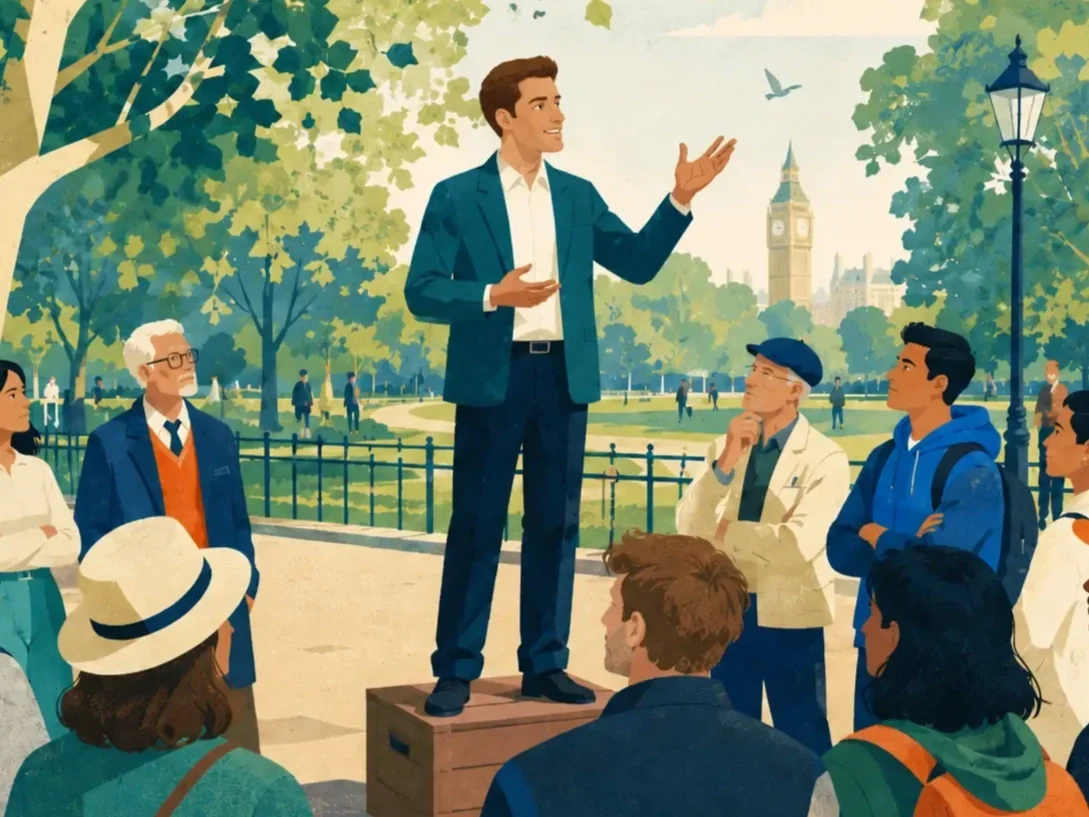
Who decides when speech is protected, limited, or challenged in public life?
Students often arrive with a simplified view of free speech: either speech is protected, or it is censored.
This lesson walks students through six core ideas:
What free speech protects: expression from punishment by the state, while leaving open real debate about when harm, liberty, and public safety come into conflict.
How systems differ: the U.S. is often more speech-protective, the EU places more emphasis on duties and restrictions around harmful speech, and the UN focuses on incitement, equality, and harm.
Why platforms matter: private companies set and enforce their own rules, which makes moderation different from government censorship.
Why public life matters too: audiences, communities, and institutions can respond through criticism, boycotts, reputational pressure, or accountability.
How to analyze a case: who is acting, what rule is being used, what kind of issue is at stake, what evidence supports the claim, and what tradeoff is being proposed.
How to apply the framework: students sort real-world examples by actor, rule, and consequence, then support their claims with evidence and discussion.
Enjoyed this lesson?
We’d love to hear what you think .